Mentorship
Mentor people until they can replace you.
I share the context, hand over decisions as people are ready, and stay accountable while they learn.
I mentor engineers and technical leaders that way, and junior cyclists and new riders too. The aim is a team that doesn’t have to wait for me. Below is how a decision moves from me to the person I’m mentoring, what that protects the team from, and how the same approach works on a bike.
Want to grow your engineers, or be mentored? Let’s talk- Engineering teams
- Technical leaders
- Junior cyclists
- New riders
Every step moves a decision from me to them.
I give people more responsibility as they become comfortable with the decisions involved. Select a step to see how that changes my role.
“How should I solve this?”
We clarify the problem and its business context. I give enough structure to get started, and explain why, not just what.
What I hand over, and what I keep.
I stay accountable for the team and its results while other people take on decisions I used to make. We agree on the scope, the risks they can accept and when to ask for help.
- Knowledge
- Context
- Judgment
- Ownership
- Leadership
As capability grows, my role changes
- I make the decision.
- We discuss the decision.
- You make the decision.
- You teach someone else how to make it.
Share the knowledge and decisions the team depends on.
Software
One service knows everything
Fragile architecture
Team
One engineer knows everything
Fragile team
Leadership
One leader makes every decision
Fragile organization
- Documentation
- Knowledge sharing
- Delegation
- Mentorship
- Decision ownership
Nobody the team has to wait for.
I want my decisions challenged.
I want engineers to challenge my assumptions and bring ideas I haven’t considered. Explaining a decision gives both of us a chance to find something we missed.
- Engineer
- Engineer
- Tech lead
- Manager
Knowledge moves in every direction. Nobody is at the top of this drawing.
I learn from the people I mentor too. They bring questions and approaches I might not have considered, and sometimes we have to work out the answer together.
The definition of impact kept changing.
- 01Engineer
- 02Builder
- 03Founder
- 04CTO & engineering leader
- 05Mentor
- Early career
- Impact = what I could build.
- Later
- Impact = what the team could build.
- Leadership
- Impact = what people can accomplish without depending on me.
Mentoring engineersand junior cyclists.
Outside work I do the same thing on a bike. I support junior riders through the Berkeley Bicycle Club and lead a Bay Area amateur team, where new riders need the same mix of guidance and room to try things.
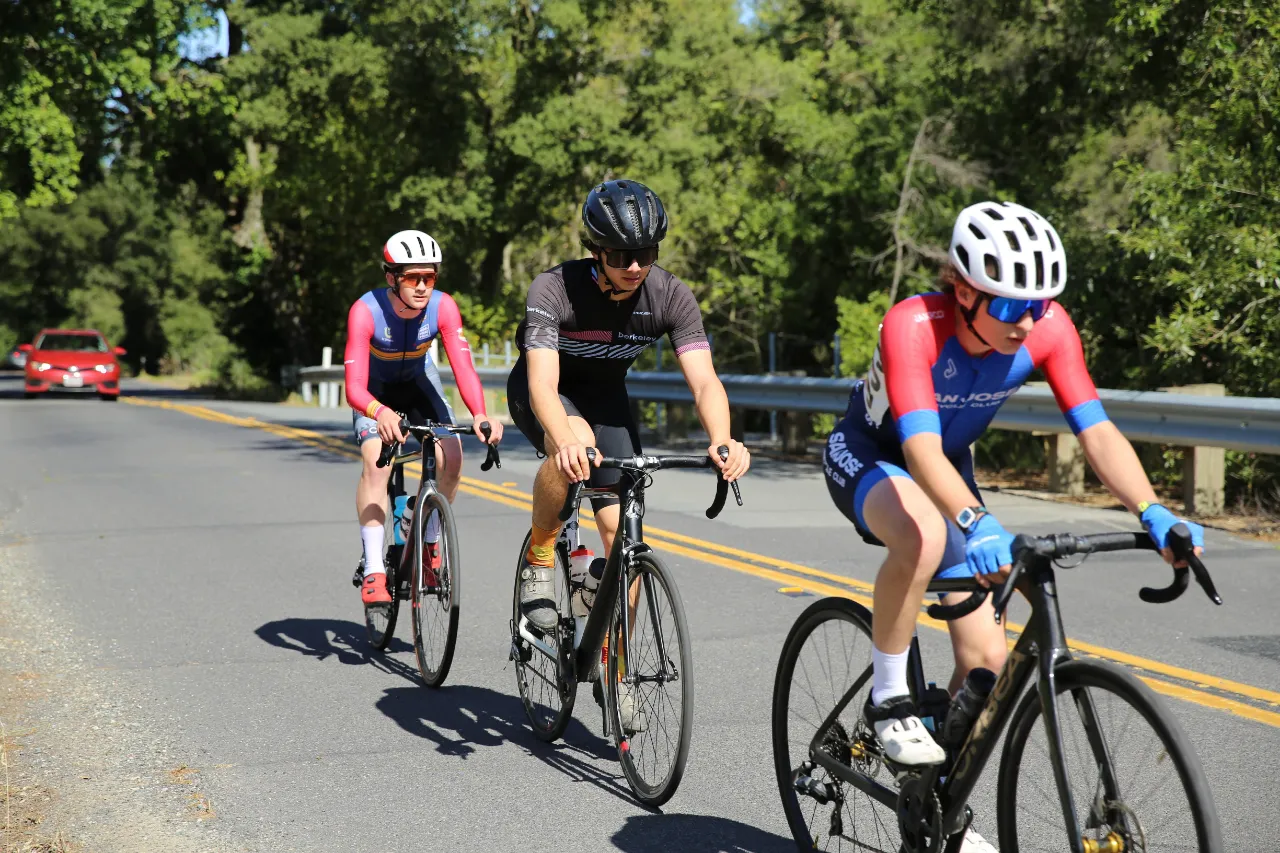
What junior riders build besides speed.
I’m involved with junior cycling because I enjoy watching young athletes develop, and most of what they build lasts well beyond a race result.
- Confidence
- Discipline
- Independence
- Teamwork
- Race experience
- Resilience
- Leadership
- Love for the sport
The same pattern shows up again
- Guidance
- Experience
- Confidence
- Independence
- Helping the next person
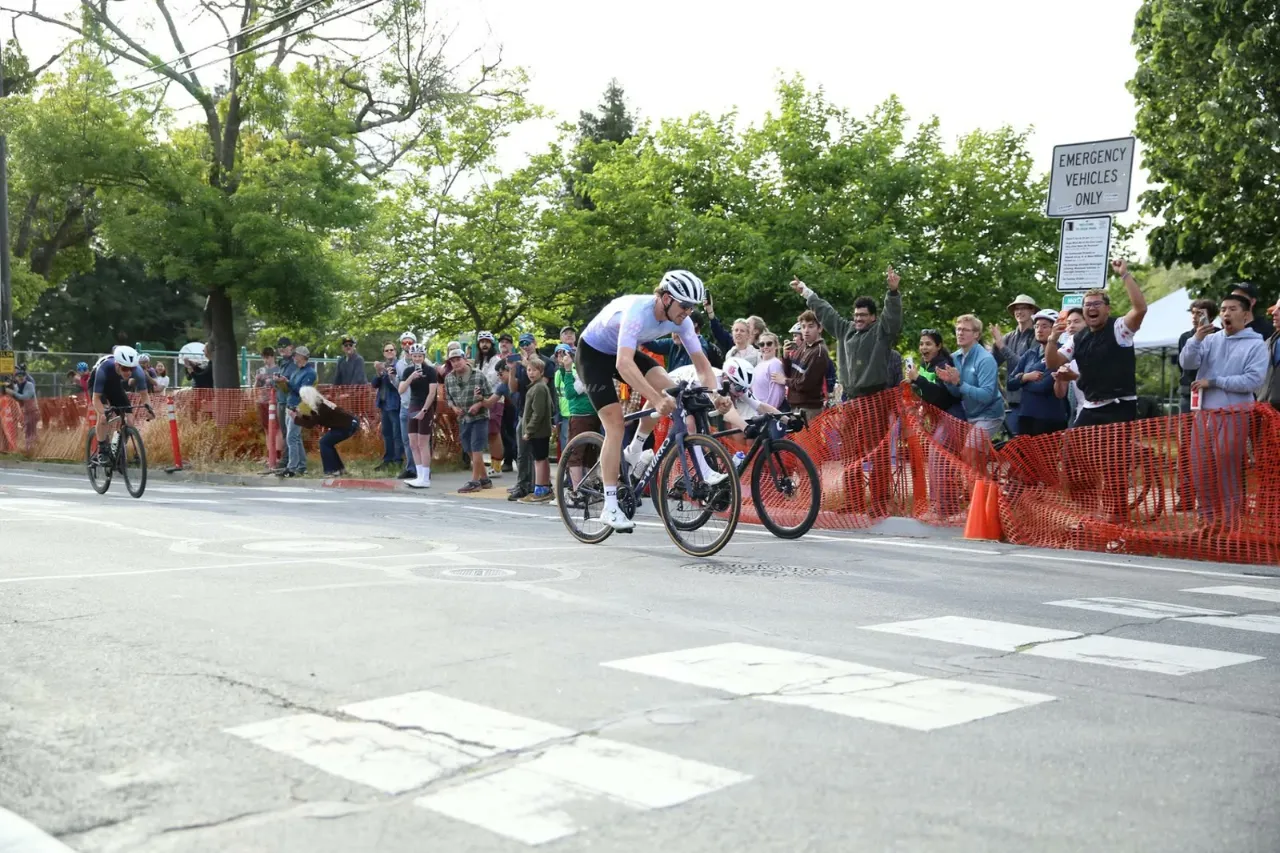
Races where new riders can start.
I also help organize Berkeley Omnium. Its junior, collegiate and women’s fields give newer riders a place to start racing, and the proceeds support local NICA teams. The race weekend has its own page.
Fig. 600-1
The same steps at work and on the bike.
- Engineering: TeachCycling: Teach
- Engineering: Give contextCycling: Create opportunity
- Engineering: DelegateCycling: Build confidence
- Engineering: TrustCycling: Let them race
- Engineering: Engineer becomes leaderCycling: Junior becomes experienced rider
- Engineering: They mentor someone elseCycling: They help the next generation
An engineer can explain a design decision; a rider can help a newcomer prepare for a race.
Mentoring shouldn’t depend on me either.
When someone I mentored starts mentoring another person, the knowledge has a second path through the team. After a few rounds of that, mentoring is part of how the team works.
What I try to give people.
Context for the decision.
I explain the reasoning so someone can handle a similar problem independently.
Room to make decisions.
Real calls with real consequences, sized to where someone is now.
Permission to challenge me.
If my reasoning is wrong, I want to hear it before we ship it, not after.
Support when things go wrong.
We learn and recover together. I don’t take the work back.
Increasing ownership.
More scope as judgment grows, handed over on purpose rather than by accident.
Opportunities to teach others.
Teaching is where understanding gets tested, and where the team starts to scale.
Habits I try to avoid
- Micromanaging the work.
- Expecting people to solve it the way I would.
- Acting as if I always have the answer.
- Taking the keyboard when someone struggles.
- Staying at the center of every decision.
I still catch myself sliding back into the last one, which I wrote about in when your best engineer becomes a bottleneck.
When someone is ready to take over.
- Explains the decision
- Recognizes the risks
- Handles a setback
- Knows when to ask for help
I enjoy the point where someone can take on work they once needed help with. We can talk through their reasoning as colleagues, and I can learn from the choices they make.
On a team or a bike, I try to give people enough room to reach that point. I’m still available, but they no longer have to wait for me before they start.